

Appelez Liza : +32 473 59 26 07
coaching@lizazerafi.com
Liza Zerafi I Executive Advisor I La Voix ConfidentielleLiza Zerafi I Executive Advisor I La Voix Confidentielle
  • Qui Suis-je ?
    • Liza Zerafi
    • Ma Méthode
  • Coaching
    • Personnel
    • Professionnel
  • Formations
    • Vendeur d’élite
    • Biosystémique des entreprises
    • Gestion du temps
    • Gestion du stress
    • Body language
    • Développer son assertivité
    • Management inter-générationnel
    • Public speaking
    • Problem solver
    • Networking
    • Formations « Tailor made »
  • Séminaires
  • Langues
  • Bilan offert
  • À Propos
  • Valider la commande
  • Témoignages
  • Account
  • Valider la commande
  • Témoignages
  • Account
Back
  • Qui Suis-je ?
    • Liza Zerafi
    • Ma Méthode
  • Coaching
    • Personnel
    • Professionnel
  • Formations
    • Vendeur d’élite
    • Biosystémique des entreprises
    • Gestion du temps
    • Gestion du stress
    • Body language
    • Développer son assertivité
    • Management inter-générationnel
    • Public speaking
    • Problem solver
    • Networking
    • Formations « Tailor made »
  • Séminaires
  • Langues
  • Bilan offert
  • À Propos
  • Valider la commande
  • Témoignages
  • Account
  • Valider la commande
  • Témoignages
  • Account
  • Home
  • Neurosciences
  • How To Fix Your Problems in Three Short Steps ?

How To Fix Your Problems in Three Short Steps ?
02 Mar

How To Fix Your Problems in Three Short Steps ?

  • Par Liza Zerafi
  • 0 commentaire
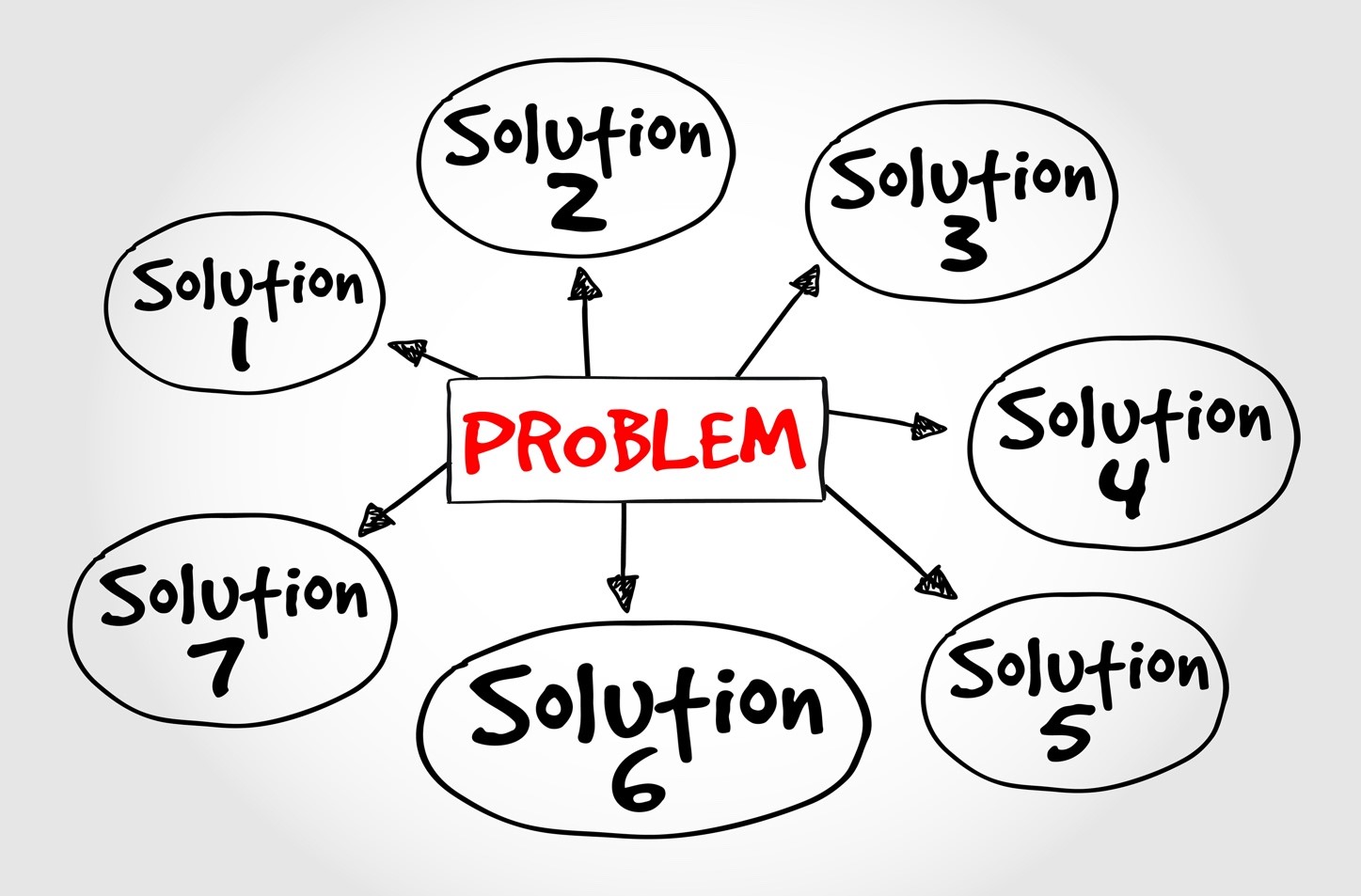
SortirProblemes - How To Fix Your Problems in Three Short Steps ?

In this post, I am going to share three simple ways to break out of victimhood, stop procrastinating, and finally act on your dreams so that you can be happier, more content, and more successful, if you so wish.

These three helpful measures are based on the advice of Boris Cyrulnik, an acclaimed neuropsychiatrist who has written scores of books in this area.

How to stop blaming others for your failures ?

When facing tough times, our first impulse is to blame someone else: “He is the reason it happened the way it did”, “They are the reason I am in this situation”, “The world is to blame”, “It’s because of a million and one things”. You could find a host of possible culprits to blame it on. But in the end, what does that accomplish? Nothing. You keep yourself in low spirits, and when you feel low, you attract negative experiences.

The first step is really to stop putting the blame on others or your circumstances. You can acknowledge that something has gone wrong at some point, but that does not mean that you should keep your anger, sadness, feelings of injustice bottled up inside — instead, you should release them in other ways. This is referred to in psychology as an outlet. There are many ways to unblock your emotions: writing, music, sports, running into the woods and screaming your lungs out, having a boxing match with a cushion. Jacques Salomé said: “When we do not say it plain, we suffer the pain”. It means that if you do not express your aches and pains, they will take root inside you.

Never take these feelings out on people, but rather channel them through other means. Then you might discuss with the people who may have disrespected how they have overstepped your boundaries. This way, you would be respecting both yourself and the other person.

How to stop feeling inadequate ?

The second step is to make yourself feel guilty about what you are experiencing: what you are experiencing, what you did, what you did not do, what you could have done. Stop blaming yourself because when you blame yourself in the same way as the first step which was to blame people, you maintain the problem, you maintain the toxic situation, you maintain a low energy. Things are done, the situation is over now. Come back to yourself, give yourself a lot of love.

There is an exercise that I love that is part of EFT, Emotional Freedom Technique. Gary Craig, when he invented EFT, identified 12 main points where traumas or difficult situations are stored in the body. The karate point is the point where we start EFT, it’s the point that karatekas use to break bricks.

So, when you feel guilty, take the karate point — the edge of the hand — and tap on it with the opposite hand and say, “Even though this happened, even though I’m having this experience right now, I love and accept myself completely and deeply.

Why? Because self-love is the most important thing today, we keep talking about it in personal development. I really invite you to do this. I combine this practice with hypnosis, with coaching with my clients, and even on myself when I encounter difficult situations.

How to take a more active role in solving your problems ?

The first thing you need to stop doing is blaming others and perpetuating the problem. The second step you must take is to stop feeling guilty, as that also keeps you from dealing with the issues at hand.

The solution is to focus your attention on what you are doing right. When you encounter such difficult, uncomfortable, even unbearable situations, what are the solutions available to you? What resources could you draw from and if they are not available, what could help you face the situation instead? When something goes awry, focus on the solutions and not on the problem itself, take stock of the situation, the challenges, the things that upset you, and do what you need to do to deal with it. Do what it takes to release your emotions through the different outlets I have introduced to you here. Then concentrate all your energy on resolving the issue, on finding the necessary resources: how can you move forward? How can you experience more love than fear?

It is important to know that emotions form a continuum: on one end of the continuum there is fear and on the other there is love. When you are angry with others, when you feel guilty, you gravitate towards fear. When you disengage, when you free yourself from these feelings, give yourself time to mourn, you move towards the other side of the continuum, towards love, joy, excitement, serenity, contemplation, compassion, generosity. Self-care is essential.

Apply these three principles, and you will be able to work your way towards happiness, joy, your goals, your ambitions, your dreams, whatever they may be. Never forget that our dreams are meant to be fulfilled and when we give ourselves the necessary means, we can succeed in doing that.

timeforaction - How To Fix Your Problems in Three Short Steps ?

I am a Brussels-based certified life coach here to advise and help clients, especially business owners and managers, in both personal and professional matters.

Click here for testimonials from clients whose lives were transformed by coaching.

Tags:forgivenessproblem-solvingproblemstaking responsibilityvictimhood
  • Partager:
Liza Zerafi

Vous pourriez aimer aussi

systemeactivationreticulaire - The Reticular Activation System (RAS): What Is It, and How Does It Work?

The Reticular Activation System (RAS): What Is It, and How Does It Work?

  • 19 mars 2022
  • par Liza Zerafi
  • dans Neurosciences
Some might think that it is some weird code term or an awkward acronym. It stands for Reticular Activating...
gratitude - How Gratitude Can Transform Your Life ?
How Gratitude Can Transform Your Life ?
26 février 2022

Laissez un commentaire Annuler la réponse

Votre adresse e-mail ne sera pas publiée. Les champs obligatoires sont indiqués avec *

Mots Clés

Bonheur breakup Coaching confiance en soi confidence couple couple dépression dépression dépression développement personnel emotional pain Estime de soi grief happiness heartbreak inner freedom joy law of attraction Leadership limiting beliefs loi d’attraction love management mindfulness mindset Motivation personal growth problems problèmes professional growth reticular activation system rupture réussite self-awareness self-confidence self-development self-fulfillment self-help self-improvement spiritual ego success système d’activation réticulaire Sérénité Équilibre

Tags

Bonheur breakup Coaching confiance en soi confidence couple couple dépression dépression dépression développement personnel emotional pain Estime de soi grief happiness heartbreak inner freedom joy law of attraction Leadership limiting beliefs loi d’attraction love management mindfulness mindset Motivation personal growth problems problèmes professional growth reticular activation system rupture réussite self-awareness self-confidence self-development self-fulfillment self-help self-improvement spiritual ego success système d’activation réticulaire Sérénité Équilibre

Catégories

  • Coaching (8)
  • Coaching (19)
  • Coaching Personnel (3)
  • Coaching Professionnel (4)
  • ICF (1)
  • Neurosciences (4)
  • Neurosciences (3)
  • Podcast (10)

Category list

  • Coaching (8)
  • Coaching (19)
  • Coaching Personnel (3)
  • Coaching Professionnel (4)
  • ICF (1)
  • Neurosciences (4)
  • Neurosciences (3)
  • Podcast (10)

Contact

TEL:   +32 (0)473 59 26 07

coaching@lizazerafi.com

Pegasuslaan 5, 1831 Diegem/Brussels BELGIUM

TVA LZACADEMY : BE 0674.543.146

Liza Zerafi

  • Accueil
  • Global Coaching
  • Coaching Personnel
  • Liza Zerafi
  • Coaching Professionnel
  • Blog
  • Formations
  • Contact
  • Séminaires LVP, libérez votre potentiel
  • Témoignages

Soyez malin

RENDEZ VISITE A NOTRE PROGRAMME DE
TRANSFORMATION GLOBALE

Archives des Newsletters

  • Entrepreneurs/CEO, 7 Clés pour terminer l’année en Beauté !
  • Le Mindset !
  • How To Overcome Life’s Challenges ?
  • Comment la gratitude peut transformer la vie ?
  • How To Break Free From A Limiting Mindset ?
  • The Reticular Activation System (RAS): What Is It, and How Does It Work?
  • Comment régler vos problèmes en trois petites étapes
  • How To Fix Your Problems in Three Short Steps ?
  • How Gratitude Can Transform Your Life ?
  • Qu’est-ce que c’est le Système d’activation réticulaire (SAR) ?

Recevez votre dose d’inspiration

Recevez-la chaque semaine !

[mc4wp_form id="3383"]

Liza Zerafi, coach de vie à Bruxelles pour managers et entrepreneurs

© lizazerafi.com | Tous droits réservés

  • Politique de confidentialité
  • Respect du code éthique
  • CGV